
What is a Breastfeeding Medicine Clinic and How Does It Support Your Journey?
Last Tuesday, a mother in our community sat in her nursery, exhausted by the conflicting advice from online forums and the sharp, persistent nipple pain that wouldn't go away. Despite being told by well-meaning providers that the latch looked fine, the frustration from her infant and her own physical discomfort told a different story. It's incredibly draining to navigate these challenges when you simply want to bond with your child. You shouldn't have to choose between your health and your feeding goals. A breastfeeding medicine clinic offers a vital bridge between traditional medical care and specialized lactation support to help you find a sustainable path forward.
In this article, you'll discover how this collaborative model integrates clinical expertise with holistic therapies to resolve complex feeding challenges for both mothers and infants. We'll explore how a professional diagnosis can lead to gentle, non-surgical options for infant tension, such as craniosacral therapy or osteopathic manual medicine. You'll gain insight into creating a clear care plan that provides both the physical relief and the emotional support you need to feel confident again. By looking at the whole-person perspective, we can move beyond isolated symptoms to restore a sense of calm and equilibrium to your family's daily life.
Table of Contents
Defining Breastfeeding Medicine: Beyond Basic Lactation Support
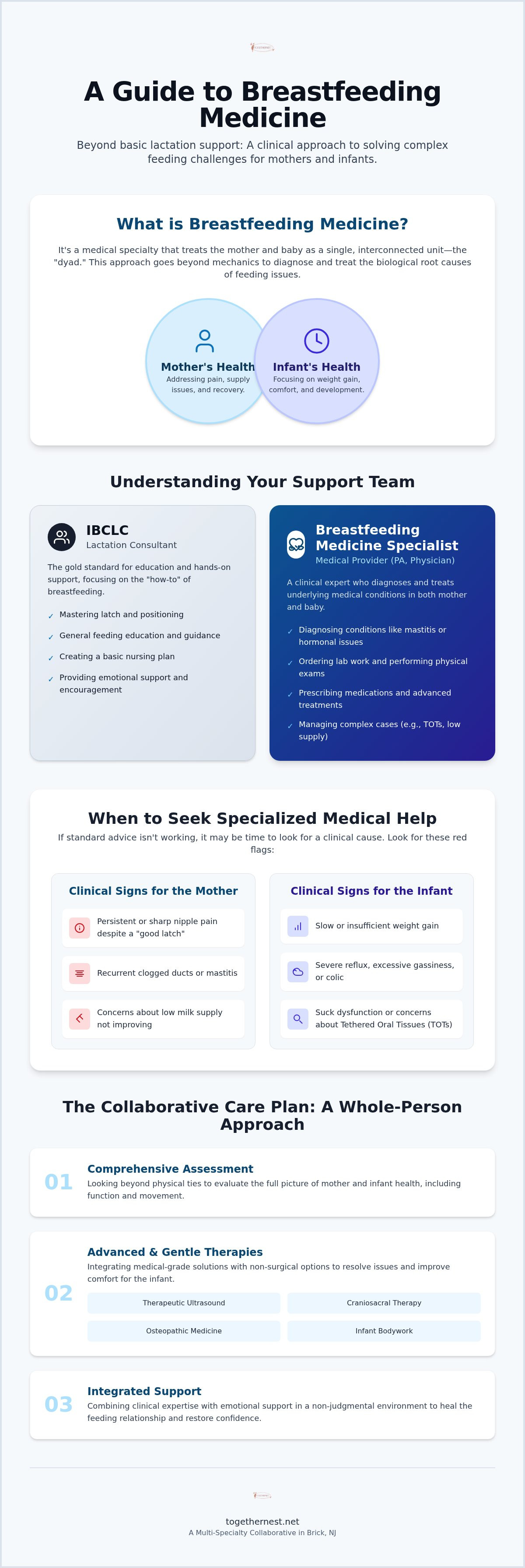
Breastfeeding medicine isn't just about positioning or latch; it's a clinical specialty that digs into the biological roots of feeding struggles. A breastfeeding medicine clinic operates on the principle that the mother and infant are a single medical unit, often called the dyad. This means that a problem for one inevitably affects the other. While traditional support focuses on the mechanics of nursing, this field applies diagnostic rigor to the physiological systems of both individuals. Breastfeeding medicine is the intersection of clinical diagnosis and evidence-based lactation care.
By understanding the complex composition of human breast milk and the hormonal triggers required for its production, specialists can identify when a struggle is more than just a technique issue. Clinical providers like Physician Assistants (PAs) or physicians bring a diagnostic toolkit that general consultants simply don't have. They can order labs, perform physical exams, and look at the whole picture of health. This approach ensures that a breastfeeding medicine clinic provides a level of care that bridges the gap between home-based support and hospital-based interventions.
The Role of a Medical Provider in Lactation
A medical provider in this space does more than offer encouragement. They're trained to diagnose underlying medical conditions that might otherwise go unnoticed, such as recurrent mastitis or complex hormonal imbalances like thyroid dysfunction. When these issues arise, a specialist can prescribe therapeutic treatments or medical-grade interventions, such as therapeutic ultrasound for clogged ducts. In the Brick, NJ area, this often involves close coordination with your existing pediatrician or OBGYN to ensure your entire care team is aligned. This collaborative approach creates a safety net that protects both your physical recovery and your infant's development.
IBCLC vs. Breastfeeding Medicine Specialist
It's helpful to understand the distinction between an International Board Certified Lactation Consultant (IBCLC) and a breastfeeding medicine specialist. IBCLCs are the gold standard for nursing mechanics, latch support, and general education. However, when a situation requires diagnostic authority, such as identifying a medical cause for low supply or managing an infection, the expertise of a medical professional is necessary. Many families find the most success with a team approach. At Togethernest, for example, the care is led by a Registered Physician Assistant who is also an IBCLC. This unique combination allows for a seamless transition between practical feeding support and high-level clinical management, ensuring that no part of your journey is overlooked.
Clinical Challenges Solved at a Breastfeeding Medicine Clinic
When feeding isn't working as expected, the emotional toll can be as significant as the physical pain. A breastfeeding medicine clinic provides a specialized space to address these complexities through a medical lens. For mothers, this often means managing persistent nipple pain, recurrent mastitis, or concerns about low milk supply that haven't responded to standard advice. These aren't just lifestyle hurdles; they're medical conditions that require evidence-based protocols, such as those established by the Academy of Breastfeeding Medicine. By treating the clinical cause, we can often preserve the feeding relationship while ensuring the mother's physical recovery.
Infants also face clinical challenges that impact their ability to thrive. Slow weight gain, severe reflux, and suck dysfunction are common reasons families seek specialized care. A medical provider can assess whether these issues stem from physiological restrictions or developmental hurdles. In a non-judgmental, clinical environment, parents can discuss these sensitive topics without feeling rushed or dismissed. If you're struggling with these hurdles, you can schedule a consultation to begin finding answers.
Advanced Treatments: Therapeutic Ultrasound
One of the most effective medical-grade solutions for deep-seated clogged ducts is therapeutic ultrasound. Traditional advice often suggests "aggressive massage," but this can actually increase inflammation and damage delicate breast tissue. Ultrasound uses sound waves to create gentle heat and vibration, which helps resolve the blockage without trauma. During a clinical session, the provider applies a specialized gel and moves the ultrasound wand over the affected area. It's a painless, soothing process that often provides immediate relief from the pressure of mastitis or recurring clogs.
Diagnostic Evaluations for Complex Feeding
A thorough diagnostic evaluation looks at both members of the feeding dyad. For the infant, this involves observing the suck-swallow-breathe coordination to ensure they're feeding safely and efficiently. For the mother, the specialist assesses anatomy and physiological factors that might influence milk production. This isn't a one-size-fits-all approach. Instead, the provider uses these clinical observations to create a personalized medical care plan. This plan bridges the gap between the immediate need for relief and the long-term goal of a healthy, sustainable feeding journey.
The Whole-Baby Approach: TOTs and Infant Bodywork
Successful feeding depends on more than just a willing mother and a hungry baby. It requires a complex coordination of muscles and nerves that can be easily disrupted by physical restrictions. Tethered Oral Tissue, or TOTs, is a significant factor in many cases of breastfeeding failure, as it limits the range of motion necessary for an effective latch. While Common breastfeeding challenges are often treated with simple positioning changes, a breastfeeding medicine clinic looks deeper into the infant's structural health. Physical tension from birth trauma, even in seemingly uncomplicated deliveries, can leave a baby with subtle restrictions that make nursing painful or inefficient.
Oral function is as important as oral anatomy in breastfeeding medicine, as the way a baby moves their mouth determines the success of the feed more than the physical appearance of the tissue alone.
Infant TOTs Diagnosis: A Gentle Perspective
Evaluating tongue, lip, and buccal ties through a functional lens means observing how the baby uses their mouth during a feed. A specialist at a breastfeeding medicine clinic can identify restrictions that might be missed during a standard pediatric checkup. We focus on identifying these issues early to prevent the cycle of frustration and low weight gain. Our goal is to provide non-surgical support through bodywork and specialized feeding techniques. If a surgical release is eventually necessary, we coordinate with trusted specialists to ensure the family has a clear path forward and comprehensive follow-up care.
Integrating Osteopathic Manual Medicine (OMM)
Osteopathic Manual Medicine for babies is a gentle, hands-on approach used to relieve the physical tension that interferes with feeding. By incorporating craniosacral and myofascial therapy, specialists can address the tightness in the jaw, neck, and shoulders that often leads to suck dysfunction. This methodical work involves applying very light pressure to the infant's tissues to encourage a release of restrictions. These therapies are particularly beneficial for improving infant comfort when dealing with issues like torticollis or reflux in Brick, NJ. This integrated care helps the baby's body find a state of equilibrium, making it easier for them to relax into a deep, comfortable latch. By addressing the whole baby, we create a foundation for a much more peaceful feeding journey that values the psychological and physical well-being of the family.
When to Seek Help from a Breastfeeding Medicine Specialist
Recognizing when to move beyond general advice and seek specialized medical care is a pivotal moment in your postpartum journey. While a standard 15-minute pediatric appointment is essential for tracking overall growth, it rarely provides the time necessary to observe a full feeding or diagnose complex structural issues. A breastfeeding medicine clinic provides the space and clinical depth required to evaluate both mother and baby as a functional unit. Seeking early clinical support often leads to significantly better outcomes because it prevents small hurdles from snowballing into chronic pain or significant weight gain concerns. If you find yourself dreading the next feed, it's time to seek a deeper level of expertise.
Signs Your Baby Needs a Clinical Evaluation
There are specific functional red flags that suggest your baby is struggling with more than just a "learning curve." Persistent clicking sounds or the infant constantly slipping off the breast are signs that the latch isn't just shallow; there may be an underlying structural restriction. Poor weight gain is another critical indicator, especially if you feel like you're nursing around the clock without seeing progress. If your baby appears distressed or "fights" the breast, this frustration often signals that they're working too hard for too little reward. These functional issues require a clinical eye to determine if infant bodywork or other specialized medical interventions are necessary.
Maternal Indicators for Clinical Support
Maternal health is a cornerstone of the feeding relationship and should never be sidelined. Localized redness, heat, or a fever can indicate the onset of mastitis, a condition that requires prompt medical management to prevent further complications. Beyond physical symptoms, your emotional state is a valid clinical indicator for seeking help. Unbearable pain that makes you cry or a sense of overwhelming anxiety regarding feeding are signs that your current path isn't sustainable for your family. We believe that your mental well-being is inseparable from your physical health. If these indicators resonate with you, you can request an evaluation today to start your healing process.
Preparing for your first consultation helps us maximize our time together and provides a clearer picture of your daily reality. It's helpful to bring a brief log of feeding times and diaper counts, along with a list of any specific questions you've been carrying. Observe your baby's behavior closely in the days leading up to the visit; do they seem more tired than usual, or do they struggle more on one side? This detailed information helps us build a personalized care plan that addresses your unique needs while restoring a sense of calm to your home.
Togethernest: A Multi-Specialty Collaborative in Brick, NJ
Togethernest is built on the philosophy that the physical, emotional, and clinical aspects of the feeding journey are inseparable. Led by Chaya Lighten, a Registered Physician Assistant (RPA-C) and IBCLC, this breastfeeding medicine clinic offers a unique blend of high-level medical expertise and nurturing lactation support. Chaya’s background allows her to bridge the gap between traditional healthcare and specialized therapeutic care, ensuring that families don't have to choose between clinical rigor and compassionate guidance. Local families choose this collaborative practice because it treats the mother and infant as a single unit, focusing on the health of the dyad rather than just isolated symptoms.
The convenience of having bodywork, clinical lactation, and mental health services under one roof provides a sense of relief for exhausted parents. Instead of navigating multiple offices across Ocean County, you can access an integrated team that communicates and collaborates on your specific care plan. Whether you're seeking therapeutic ultrasound for a clogged duct or osteopathic manual medicine for your infant's tension, the care is seamless and methodical. This "whole-person" perspective is designed to reduce anxiety and foster a steady path toward recovery and growth.
Postpartum Mental Health Counseling Integration
Emotional well-being is a cornerstone of breastfeeding success, yet it's often overlooked in traditional medical settings. At Togethernest, we recognize that the transition to motherhood can be complicated by birth trauma or overwhelming feelings of anxiety. Our professional counseling services are specifically tailored for the postpartum period, providing a safe and non-judgmental space to process these challenges. By integrating mental health support into our clinical model, we ensure that your psychological health is prioritized alongside your physical healing. We believe that a supported mother is better equipped to navigate the complexities of infant care and feeding.
Your Local Resource in Ocean County
We're dedicated to serving families in Brick, Lakewood, Howell, and Toms River with a level of care that feels both professional and deeply personal. Togethernest is in-network with many commercial plans, including Aetna, BCBS, and Cigna, as well as certain Medicaid plans, making specialized care more accessible to our community. Starting your journey toward a balanced feeding relationship is a collaborative process that begins with a thorough evaluation of your unique needs. If you're ready for a clear care plan and a team that truly listens, you can Schedule your comprehensive breastfeeding medicine evaluation at Togethernest. Our goal is to help your family find equilibrium and confidence during this vital stage of life.
Finding Balance and Healing in Your Feeding Journey
Navigating the early days of parenthood requires more than just patience; it requires a specialized team that understands the intricate connection between your health and your infant's development. By choosing a breastfeeding medicine clinic, you're opting for a model of care that values clinical precision alongside deep, nurturing empathy. We've explored how integrating medical diagnosis with gentle bodywork and mental health support creates a foundation for sustainable feeding. This approach moves beyond surface-level symptoms to find the equilibrium your family deserves.
Families in Brick, NJ, and surrounding communities benefit from our multi-specialty collaborative care, which includes expert TOTs diagnosis and therapeutic ultrasound. You don't have to navigate these challenges in isolation or settle for conflicting advice. Our team is here to provide the calm reliability and expert guidance needed to restore joy to your feeding relationship. When you're ready to take the next step toward a clear and compassionate care plan, you can Schedule a Consultation with our Breastfeeding Medicine Specialists. You're doing an incredible job, and with the right support, the path forward can be one of healing and growth.
Frequently Asked Questions
What exactly happens during a breastfeeding medicine consultation?
A consultation at our breastfeeding medicine clinic involves a detailed clinical evaluation of both the mother and the infant. We begin by reviewing your medical history and observing a full feeding session to assess latch and infant function. This is followed by a physical examination to identify issues like Tethered Oral Tissue or maternal breast infections. We then collaborate to create a personalized care plan that integrates therapeutic treatments and bodywork to restore feeding comfort.
Do I need a referral from my pediatrician to visit your clinic in Brick?
You generally don't need a formal referral to schedule an appointment at Togethernest in Brick, although we maintain a collaborative relationship with local pediatricians. We believe that open communication between your care providers ensures the best outcomes for your family. After your visit, we can provide a detailed summary of our clinical findings and recommended care plan to your primary care office to ensure everyone is aligned on your baby's progress and health needs.
Is therapeutic ultrasound for mastitis painful or safe while nursing?
Therapeutic ultrasound is a safe, non-invasive, and painless treatment used to resolve deep-seated clogged ducts or mastitis. It uses gentle sound waves to create micro-vibrations that break up blockages without the trauma of aggressive massage. Most mothers find the warmth of the treatment quite soothing and experience significant relief from pressure during the session. It's an evidence-based clinical tool that allows you to continue nursing comfortably while promoting faster tissue healing.
Can infant bodywork help with my baby’s reflux and colic?
Yes, specialized infant bodywork like osteopathic manual medicine and craniosacral therapy can be highly effective for managing reflux and colic symptoms. Often, these issues are exacerbated by physical tension or restrictions in the jaw, neck, and diaphragm resulting from birth. By gently releasing this tension, we help the infant's nervous system find a state of equilibrium. This holistic approach improves digestive comfort and reduces the overall distress that often characterizes colic in newborns.
Does a breastfeeding medicine clinic only help with breastfeeding, or bottle feeding too?
While our name emphasizes nursing, our breastfeeding medicine clinic supports all methods of infant feeding, including bottle feeding and pumping. Our primary focus is on the oral function and physical comfort of the infant, which are essential regardless of how they receive nourishment. We help families navigate suck dysfunction, bottle refusal, and milk supply management with a non-judgmental approach that respects your unique goals and ensures your baby is feeding safely and efficiently.
What if my baby has already had a tongue-tie release but is still struggling?
It's common for infants to continue struggling after a release if the underlying tension or functional habits haven't been addressed. We provide a thorough functional assessment to determine why the feeding challenges persist, often focusing on the role of infant bodywork to release residual tightness. Our team works to retrain the oral muscles and ensure the tongue can move through its full range of motion, providing the necessary support to bridge the gap between surgery and success.
How is postpartum counseling integrated into the feeding care plan?
At Togethernest, we view emotional well-being as a vital component of physical recovery and successful feeding. Postpartum counseling is seamlessly integrated into your care plan, allowing you to address birth trauma, anxiety, or the psychological weight of feeding struggles in a supportive environment. By treating the mother's mental health as a clinical priority, we help reduce the stress that can impact milk production and the overall bonding experience with your new infant.


Comments